How to Choose the Right Plants for Your Austin Landscape

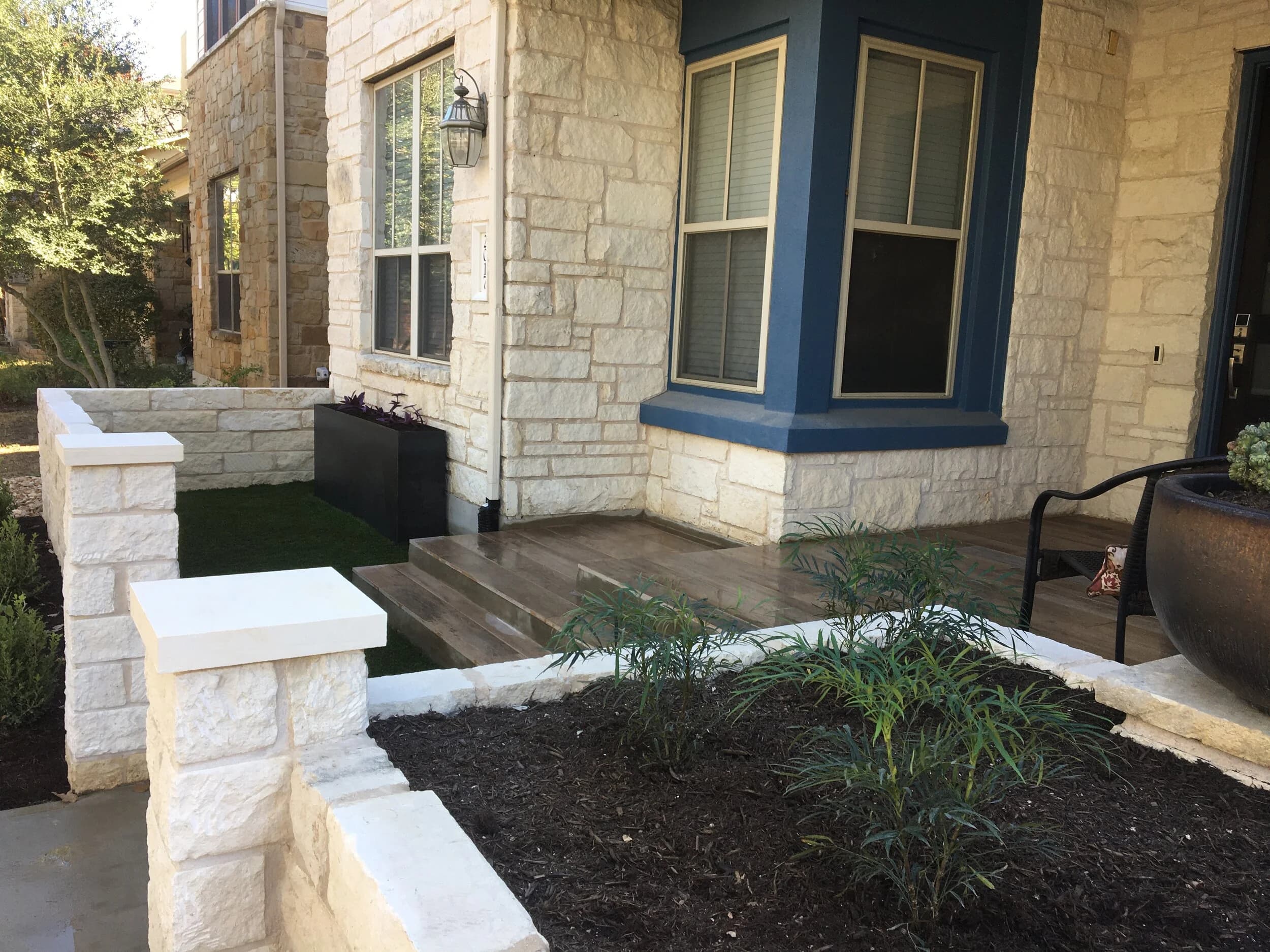
Austin's climate is unique, hot summers, periodic drought, freeze events in winter, and clay-heavy soils. The plants that thrive here are the ones built for it. Here's how to think through plant selection for an Austin landscape that looks beautiful and practically takes care of itself.
1. Start With Your Conditions, Not the Plant
Before you fall in love with a plant at the nursery, assess your actual site conditions. How many hours of direct sunlight does the area receive? Is there existing irrigation or will plants need to be drought-tolerant from day one? What's the soil drainage like?
Austin's limestone-rich, alkaline soils (pH 7.5–8.5 in many areas) eliminate a huge category of acid-loving plants like azaleas, camellias, and blueberries. Start with plants that love your conditions.
2. Native vs. Adaptive: Know the Difference
Native Plants 🌿
Evolved in Central Texas over thousands of years. Perfectly calibrated to local rainfall, soil chemistry, and temperature ranges. They support local birds, insects, and pollinators. Once established, they often need zero supplemental water.
Adaptive Plants 🌱
Not native to Central Texas but proven to perform well here. Mediterranean, South African, and some South American plants often share similar climate profiles, hot, dry summers and mild winters, and thrive in Austin with minimal care.
A great Austin landscape blends both: native plants as the backbone for ecological value, adaptive plants for color, texture, and seasonal interest.
3. Think in Layers
The most visually compelling landscapes use a layered approach, canopy trees at the top, understory trees and large shrubs in the middle, perennials and groundcovers at the bottom. This mimics natural plant communities and creates depth and year-round structure.
4. Our Favorite Plants for Austin Landscapes
These are plants we use frequently in our designs because they perform reliably, look great, and are available at local nurseries:
Texas Sage (Leucophyllum frutescens)
Blooms purple after rain. Incredible drought tolerance. No supplemental irrigation once established.
Esperanza / Yellow Bells
Non-stop yellow blooms April–November. Fast growing, attracts hummingbirds and butterflies.
Mexican Feathergrass
Airy, fine-textured grass that moves beautifully in the breeze. Self-seeds into naturalistic drifts.
Black-Eyed Susan
Golden yellow wildflower that reseeds reliably. Blooms summer through fall.
Salvia greggii (Autumn Sage)
Red, pink, or white blooms spring and fall. Beloved by hummingbirds. Very tough once established.
Cedar Elm
Austin's most adaptable native tree. Fast growing, excellent shade, beautiful fall color.
5. Plan for Establishment
Even drought-tolerant native plants need regular water during their first year to establish a deep root system. Plant in fall when soil temperatures cool, this gives roots time to develop before summer heat arrives.
Use drip irrigation during establishment, mulch heavily (3–4 inches) to retain soil moisture, and plan to water deeply once or twice a week for the first season. After year one, most natives can survive on rainfall alone.
Related Services
Want Expert Plant Selection for Your Landscape?
Every yard is different. Our design team visits your site, assesses your conditions, and selects plants that will thrive, not just survive, in your specific space. First consultation is always free.
Founder & Lead Designer, Austin Creative Landscaping