20 Texas Native Plants That Thrive in Austin's Heat
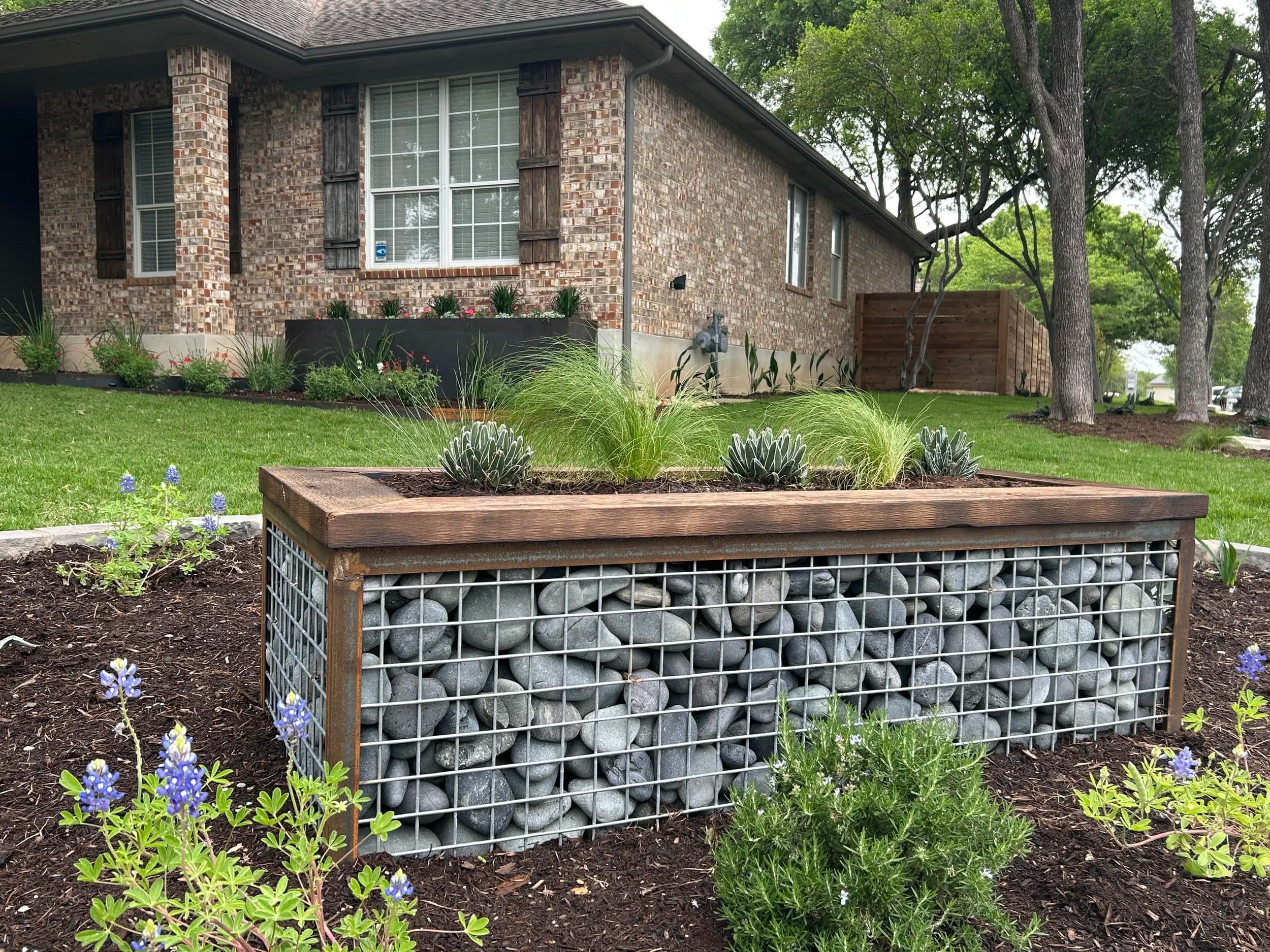
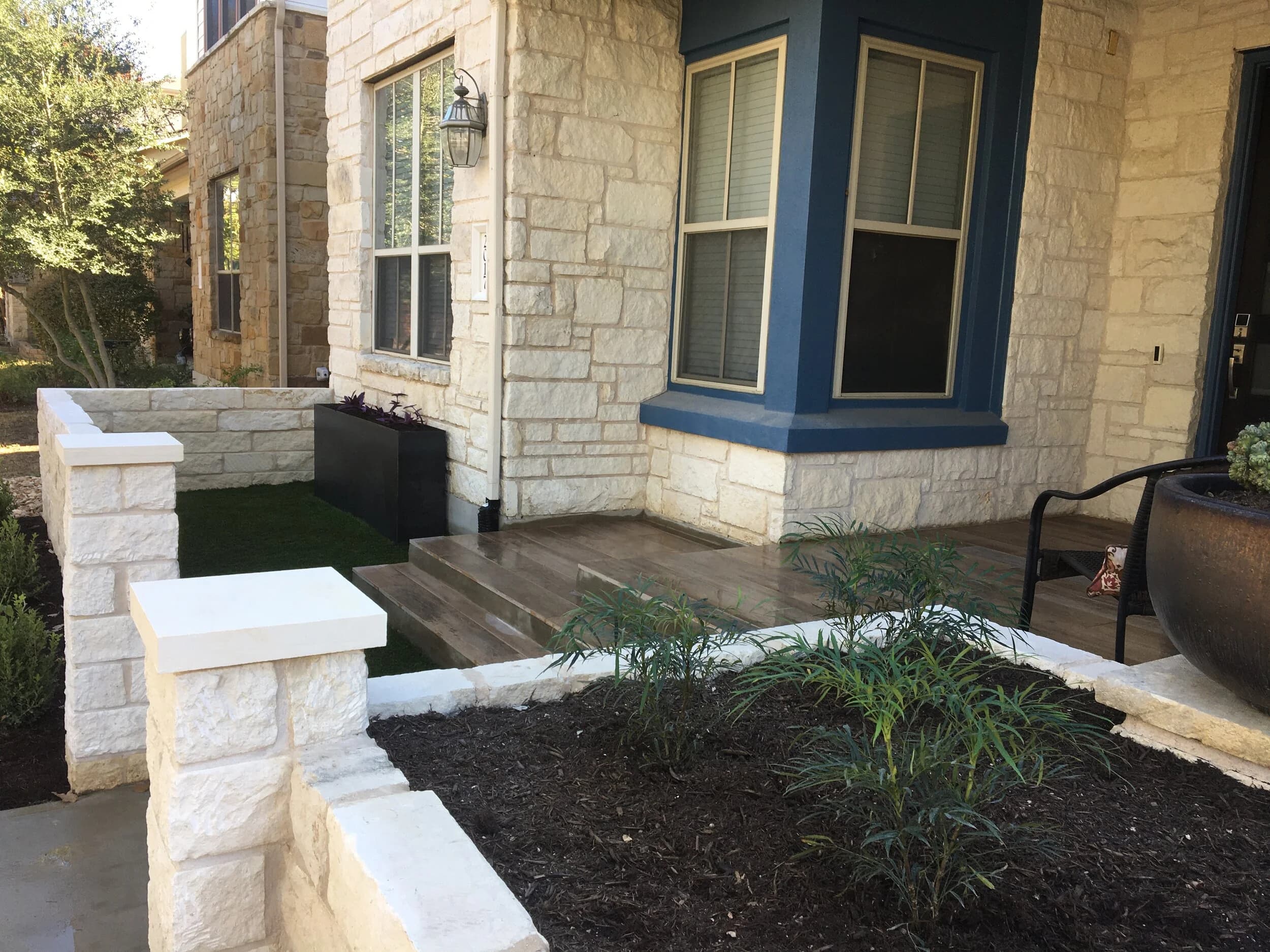
Choosing the right plants for Austin starts with one principle: work with the land, not against it. Central Texas limestone soils, alkaline pH, brutal summer heat, and periodic drought eliminate most ornamental plants that thrive in other parts of the country. But the plants that evolved here? They're extraordinary, and they create landscapes that are beautiful, ecologically alive, and practically maintenance-free.
This is our field-tested master list, the plants we return to again and again in ACL's designs across Austin, organized by category with honest notes on performance, size, and care.
Trees
Cedar Elm (Ulmus crassifolia)
Austin's most adaptable native shade tree. Extremely tolerant of alkaline, rocky soils. Beautiful small, glossy leaves turn golden in fall. Fast-growing once established, a top ACL recommendation for new builds.
Texas Live Oak (Quercus fusiformis)
The iconic Hill Country canopy tree. Semi-evergreen, deeply drought-tolerant, and structurally stunning. Provides year-round shade and wildlife habitat. Avoid Oak Wilt, never prune Feb–Jun without sealing cuts.
Lacey Oak (Quercus laceyi)
A smaller, caliche-loving oak with gorgeous blue-green foliage that turns orange-pink in fall. Perfect for smaller yards that still want native oak character.
Desert Willow (Chilopsis linearis)
Not a true willow, it loves dry, rocky caliche soils. Trumpet-shaped orchid-like blooms all summer. One of the showiest native trees in bloom. Excellent poolside or patio specimen.
Texas Redbud (Cercis canadensis var. texensis)
Brilliant magenta-pink blooms on bare branches in February–March before any other tree. Tough, native, and breathtaking. The Texas variety handles alkaline soils far better than the Oklahoma or Eastern cultivars.
Shrubs
Texas Sage / Cenizo (Leucophyllum frutescens)
Silver-gray foliage that explodes in purple blooms after rain events, Austin's natural weather barometer. Zero irrigation once established. One of the most reliable landscape shrubs in Central Texas.
Esperanza / Yellow Bells (Tecoma stans)
Non-stop bright yellow trumpet blooms from April through first frost. Attracts hummingbirds and butterflies constantly. Freezes back but re-sprouts vigorously from roots each spring.
Flame Acanthus (Anisacanthus quadrifidus var. wrightii)
Tubular red-orange blooms are absolute hummingbird magnets July through frost. Extremely tough, thrives in rocky, poor soils with zero supplemental water once established.
Agarita (Mahonia trifoliolata)
Spiny evergreen native shrub with yellow blooms in spring and small red berries loved by wildlife. Excellent barrier plant and deer-resistant. Virtually indestructible once established.
Turk's Cap (Malvaviscus arboreus)
One of the few native shrubs that thrives in deep shade. Red spiral blooms all summer, beloved by hummingbirds. A must-have for Austin's shady spots under oak canopies.
Perennials & Groundcovers
Salvia greggii (Autumn Sage)
Blooms red, pink, or white in spring and fall, exactly when the garden needs color most. Incredibly reliable, attracts hummingbirds, and tough enough to handle rocky, thin soils.
Black-Eyed Susan (Rudbeckia hirta)
Golden-yellow wildflower that reseeds and naturalizes beautifully. A workhorse of the Central Texas perennial garden. Blooms all summer and self-maintains once established.
Gregg's Blue Mistflower (Conoclinium greggii)
Intense blue-purple fall blooms timed perfectly to feed migrating Monarch butterflies in October. Spreads naturally and creates stunning drifts of late-season color.
Soft-Leaf Yucca (Yucca recurvifolia)
Architectural drama without the stab, soft, flexible leaves unlike the spiny Texas Yucca. Tall cream flower stalks in summer. A structural anchor in any xeriscape design.
Inland Sea Oats (Chasmanthium latifolium)
One of the best native grasses for shade. Flat, bamboo-like seed heads flutter in the breeze. Naturalizes under oaks beautifully and provides year-round texture.
Ornamental Grasses
Mexican Feathergrass (Nassella tenuissima)
Incredibly fine, airy texture that catches light and moves beautifully in the breeze. Self-seeds freely into naturalistic drifts. One of the most loved grasses in Austin landscapes.
Gulf Muhly (Muhlenbergia capillaris)
Produces stunning clouds of pink-magenta seed heads in October, one of the most spectacular fall displays of any Texas native. Essentially no care required once established.
Lindheimer Muhly (Muhlenbergia lindheimeri)
Larger muhly with blue-green foliage and silver-white fall plumes. A bold structural presence in the garden. Thrives in rocky, alkaline soils with zero irrigation.
Wildflowers
Bluebonnet (Lupinus texensis)
Texas' state flower. Iconic blue blooms in March–April. Reseeds prolifically once established. Broadcast seed in fall (October) directly on bare soil, don't over-mulch. Plant with Indian Paintbrush for a classic Hill Country meadow.
Winecup (Callirhoe involucrata)
A sprawling groundcover with vivid magenta cup-shaped blooms spring through fall. Extremely drought-tolerant, its deep taproot makes it virtually indestructible once established. Stunning cascading over retaining walls.
🌿 ACL Design Tip: Build Around Structure First
In every landscape we design, we establish the structural layer first, canopy trees, large shrubs, hardscape, then layer in the perennials, grasses, and groundcovers around them. Native plants look their best when they're given room to express their natural form rather than being crammed into tight formal arrangements. Give them space, and they'll reward you with a landscape that improves every year.
Want to see this approach in action? Visit our project portfolio or learn more about our design process.
Frequently Asked Questions
Do native plants really need no watering in Austin?
When is the best time to plant natives in Austin?
Are native plants deer resistant?
Can I grow bluebonnets in my yard?
Related ACL Services
Related Articles
Want a Native Plant Design for Your Yard?
Our designers are fluent in Central Texas natives. We'll assess your site conditions, sun, soil, drainage, and build a plant palette that thrives with minimal care. First consultation is always free.
Founder & Lead Designer, Austin Creative Landscaping