What Is Xeriscaping? The Complete Austin Guide
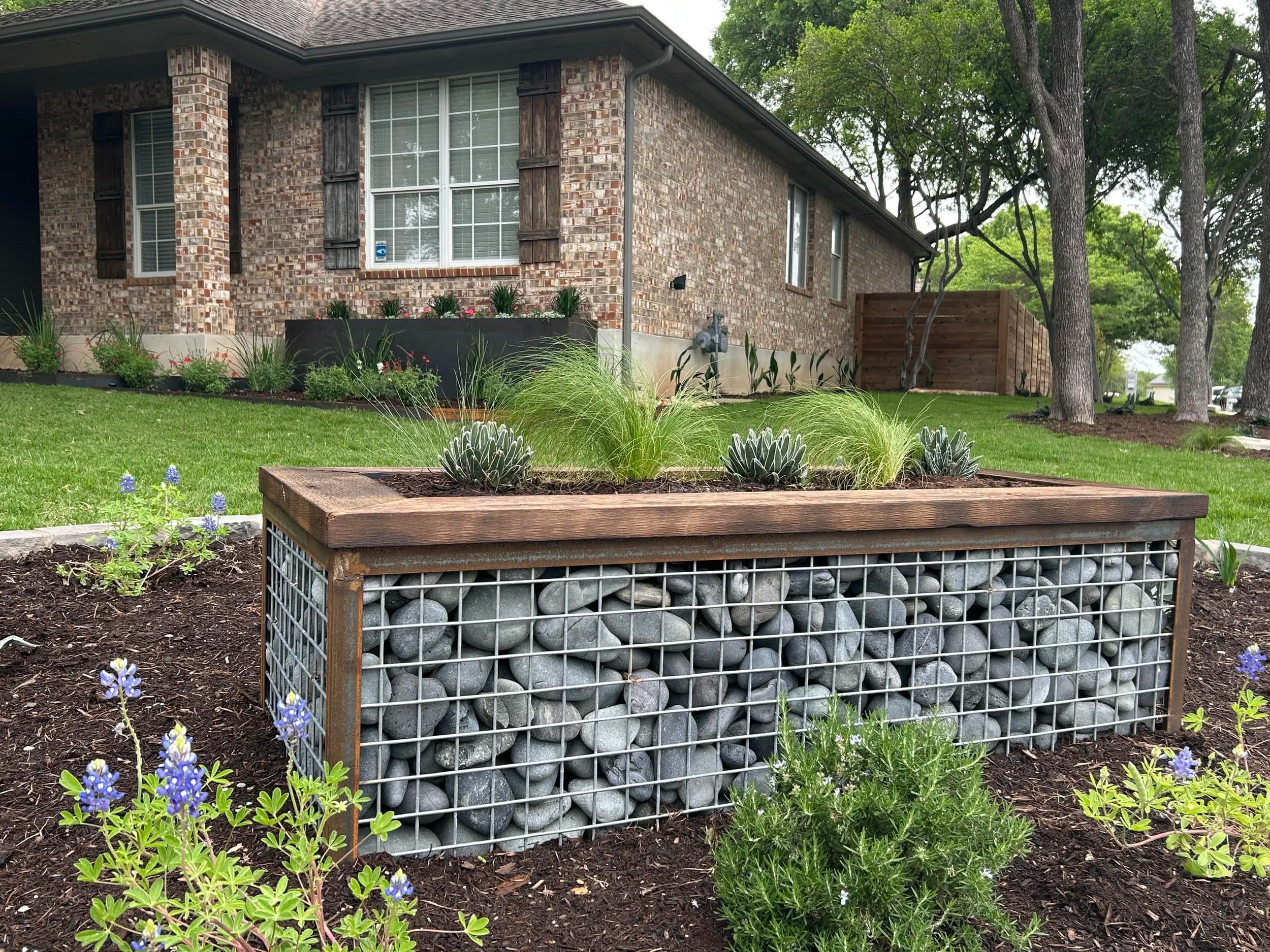
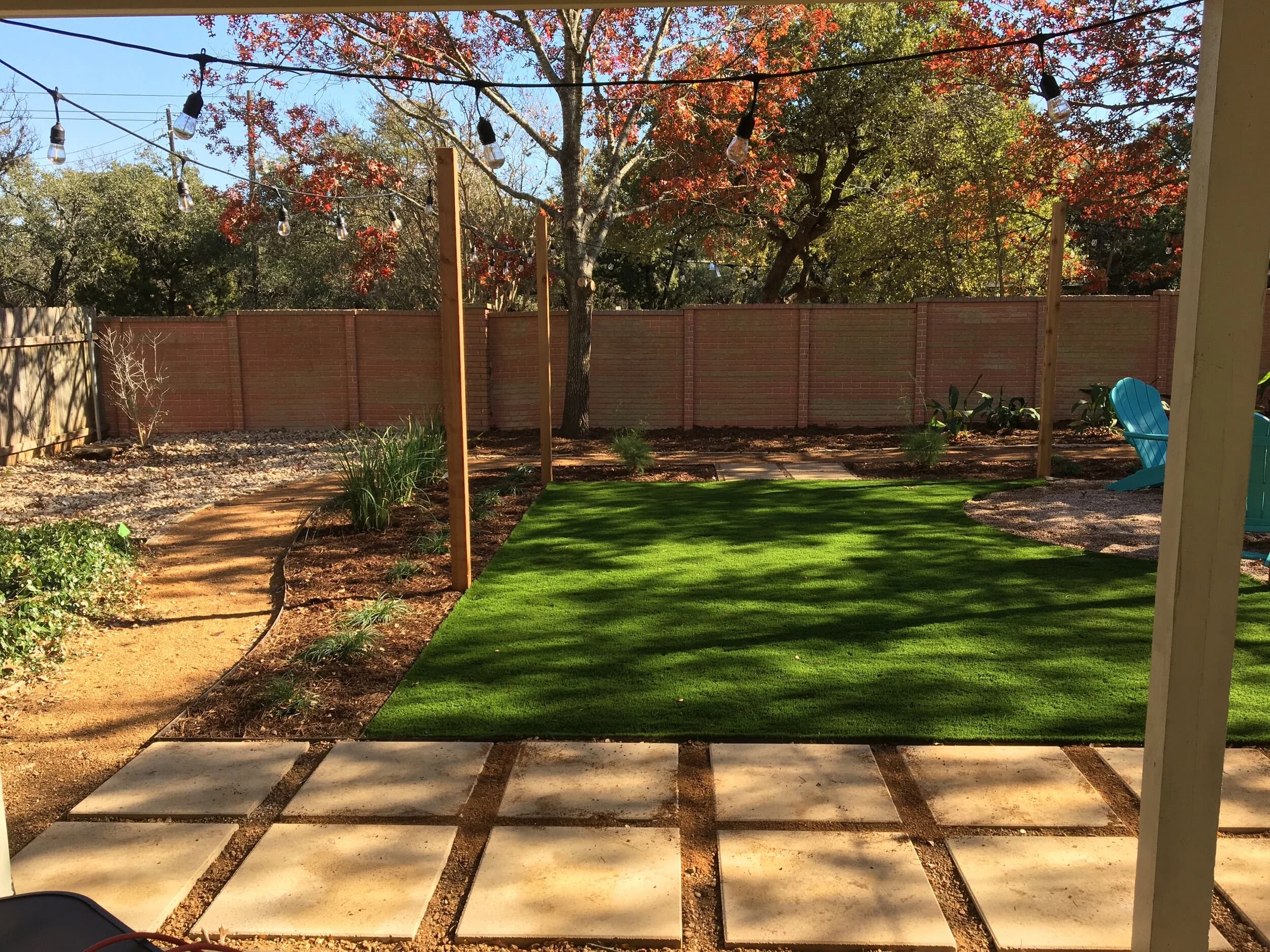
The word xeriscape was coined in 1981 by Denver Water, combining the Greek word xeros (dry) with landscape. In the 40+ years since, it has become the gold standard for water-efficient landscape design in arid and semi-arid climates worldwide, and Austin sits squarely in that category.
But xeriscaping carries a reputation problem. Many homeowners picture gravel yards, spiky cactus, and brown mulch. The reality, especially as practiced by ACL, is the opposite: lush, layered, ecologically rich landscapes filled with color, texture, and wildlife that happen to use 50–80% less water than conventional designs.
Here are the seven principles of xeriscaping, applied to Austin's specific conditions.
Plan & Design With Water in Mind
Step 1, FoundationEvery great xeriscape starts on paper. The design phase maps out hydrozones, grouping plants by their water needs so irrigation is never wasted on plants that don't need it.
In Austin, we design for three zones: high water (container plants, seasonal color, food gardens), moderate water (established perennials with occasional deep watering), and low/no water (native plants, gravel areas, hardscape). Separating these zones on a plan is the single biggest driver of long-term water savings.
Improve Your Soil
Compost = Water StorageAustin's caliche-heavy, clay-laden soils either drain too fast or hold water in anaerobic puddles. Neither is good for plant health.
Amending with 3–4 inches of quality compost tilled into planting beds dramatically improves water retention in sandy areas and drainage in clay areas. Better soil = deeper roots = plants that survive drought without intervention. This investment in soil pays dividends for decades.
Choose the Right Plants
Right Plant, Right PlaceThis is where xeriscaping earns its reputation. Native and adaptive plants selected for their match to local conditions, sun exposure, soil pH, drainage, require dramatically less water than conventional ornamental plants.
In Central Texas, this means leaning on plants like Texas Sage, Flame Acanthus, Salvia greggii, Gulf Muhly, Mexican Feathergrass, Texas Live Oak, and Desert Willow. See our full 20 Texas native plant guide for the complete list.
Use Turf Strategically (or Eliminate It)
Turf = 50–70% of Residential WaterTraditional turfgrass is the single largest water consumer in most residential landscapes, and it performs poorly in Austin's summer heat no matter how much you water it.
Xeriscaping doesn't mean no lawn. It means right-sizing your turf to areas where you actually use it: play areas, pet runs, gathering spaces. Replace the rest with native groundcovers, decomposed granite, flagstone, or artificial turf, which maintains a green appearance year-round without a drop of irrigation water.
Mulch Everything
3–4" Reduces Water Loss by 70%Mulch is the unsung hero of water-efficient landscaping. A 3–4 inch layer of shredded hardwood mulch or decomposed granite over your planting beds reduces soil moisture evaporation by up to 70%, suppresses weeds that compete for water, and moderates soil temperature.
In Austin's summers, bare soil can reach 140°F, enough to kill plant roots. Mulch keeps soil 20–30°F cooler. It's the cheapest, highest-impact investment in your landscape.
Design an Efficient Irrigation System
Drip Irrigation = 90% EfficiencyWhen supplemental irrigation IS needed, especially during plant establishment, the delivery system matters enormously. Conventional spray irrigation loses 30–50% of water to evaporation and wind drift before it reaches the root zone.
Drip irrigation and soaker hoses deliver water directly to the root zone at slow rates that the soil can absorb, achieving 90%+ efficiency. Smart controllers with rain sensors ensure you never irrigate when it's not needed. Paired with a native plant palette, a well-designed drip system can cut irrigation water use by 60–80% compared to a conventional spray system.
Appropriate Maintenance
Less Work, Not MoreThe biggest misconception about xeriscaping is that it requires no maintenance. It requires less maintenance, and different maintenance.
In the first year, regular watering helps natives establish deep root systems. After that, maintenance shifts to occasional pruning, annual mulch refreshing, and seasonal cleanup. You eliminate weekly mowing, monthly fertilizing, and constant irrigation troubleshooting. Most established native landscapes require 4–6 hours of annual maintenance vs. 4–6 hours per month for a conventional lawn.
Frequently Asked Questions
Is xeriscaping the same as a cactus garden?
How much water does xeriscaping actually save?
Does Austin offer rebates for xeriscaping?
How long does it take for a xeriscape to establish?
Related ACL Services
Related Articles
Ready to Design a Water-Wise Landscape?
ACL designs xeriscape landscapes that look as good as they perform. We'll assess your site, identify water-saving opportunities, and design a landscape that thrives on Austin's natural rainfall cycle.
Founder & Lead Designer, Austin Creative Landscaping