Best Plants for Austin Yards: Low-Water & Heat-Tolerant Choices for 2026
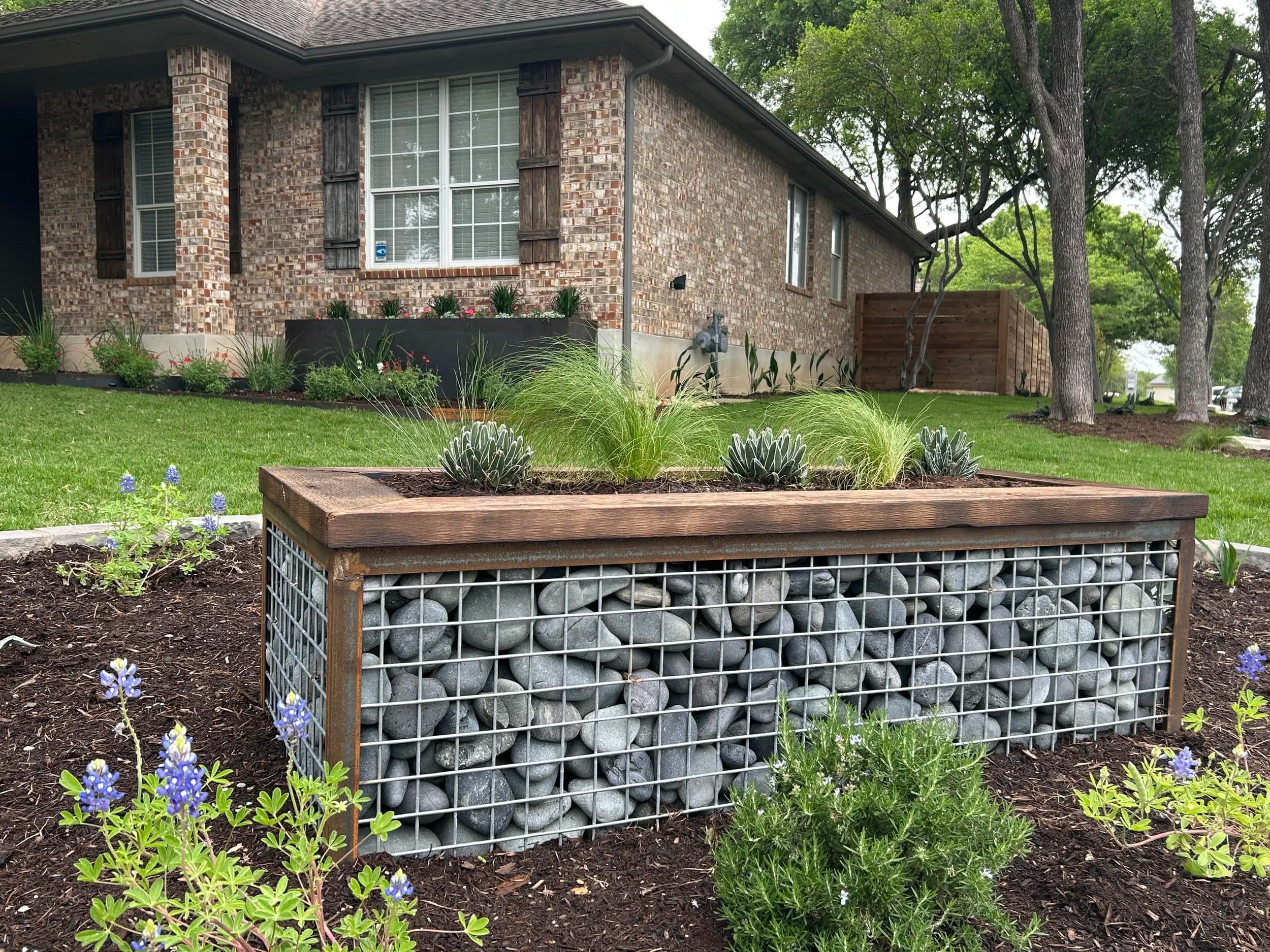
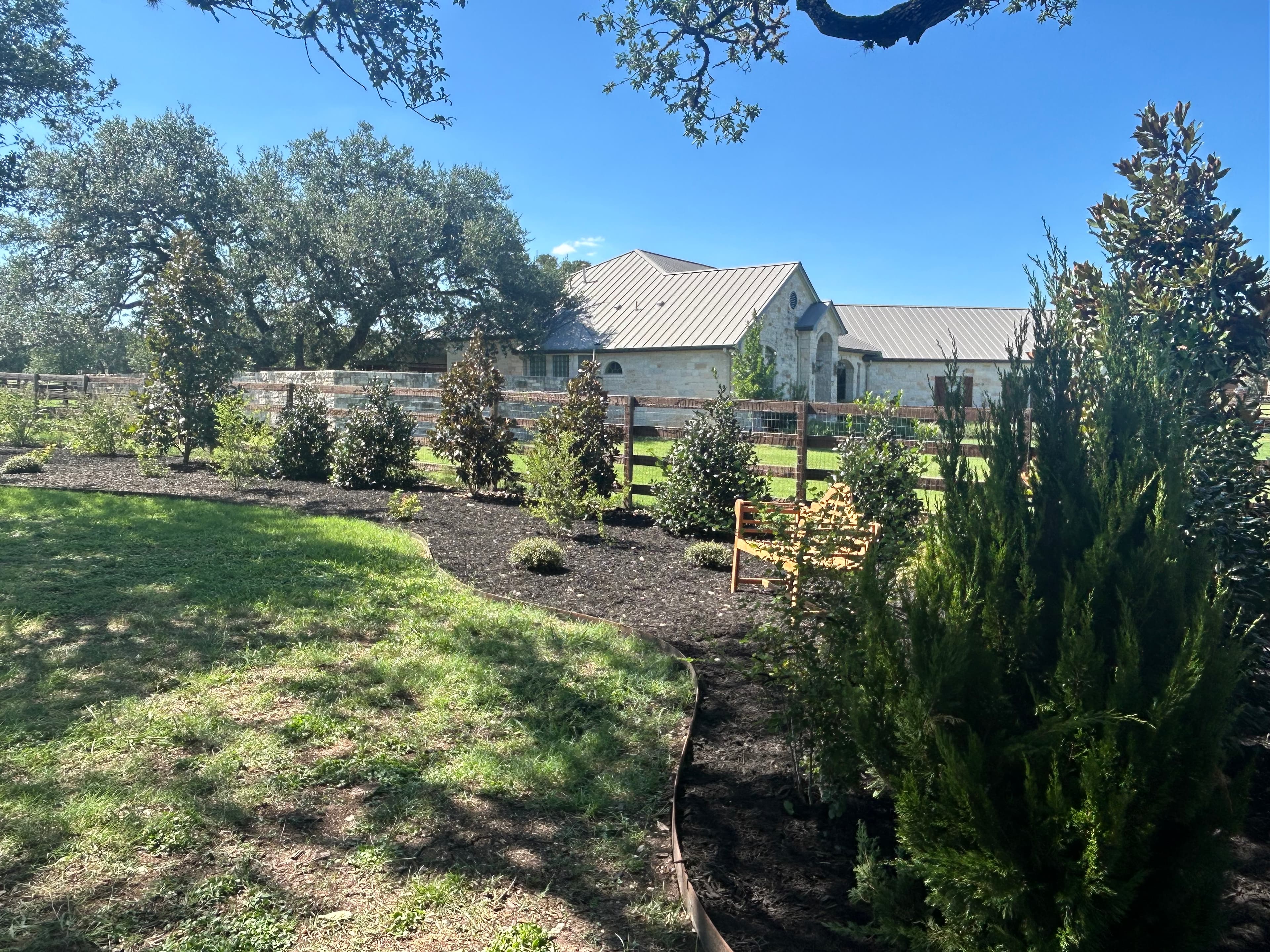
After 15+ years designing and installing landscapes across Austin and the surrounding Hill Country, I've learned one crucial lesson: the right plant in the right place will thrive with minimal water and look incredible through even the hottest Texas summers. The wrong plant? It'll struggle, demand constant attention, and still disappoint you when August hits 105°F for three weeks straight.
This guide shares the plants we at Austin Creative Landscaping install most often in residential yards, plants that have proven themselves reliable, beautiful, and tough enough to handle Central Texas conditions without breaking your water budget or requiring weekly maintenance.
Why Austin's Climate Demands Careful Plant Selection
Austin sits in USDA Hardiness Zone 8b/9a, which sounds straightforward until you factor in:
- Extreme heat: 90+ consecutive days over 100°F during drought years
- Alkaline, rocky soil: Caliche limestone with pH 7.5–8.5 that locks out nutrients
- Unpredictable rainfall: Feast or famine, 50+ inches one year, under 20 the next
- Flash droughts: Weeks without rain during peak growing season
- Urban heat island effect: Pavement and rooftops pushing temps 5–10°F higher than surrounding areas
Traditional "Texas landscape" plants like St. Augustine grass, Bradford Pears, and English Ivy simply don't belong here anymore. They require massive irrigation, struggle in our soils, and become maintenance nightmares. The plants below? These are the plants that actually want to live here.
My Top 15 Plants for Austin Yards (Tested & Proven)
These aren't theoretical recommendations, these are the plants we install on nearly everylandscape design project we complete. They're organized by layer (trees, shrubs, perennials, grasses) to help you build a complete, resilient landscape.
🌳 Best Trees for Austin Yards
1. Texas Live Oak (Quercus fusiformis)
Water Needs: Very Low (once established) | Mature Size: 30–50 ft wide
Why we love it: The iconic Hill Country shade tree. Semi-evergreen, deeply drought-tolerant, and provides year-round structure. Avoid Oak Wilt by never pruning February–June without immediately sealing cuts.
Pro tip: Live Oaks take 3–5 years to establish deep roots, but once they do, they'll survive on rainfall alone. Proper drainage around the root zone is critical during establishment.
2. Cedar Elm (Ulmus crassifolia)
Water Needs: Low–Moderate | Mature Size: 50–70 ft
Why we love it: Austin's most adaptable native shade tree. Fast-growing once established, handles alkaline soils beautifully, and turns golden-yellow in fall. We install these on nearly every new construction project.
3. Desert Willow (Chilopsis linearis)
Water Needs: Very Low | Mature Size: 15–25 ft
Why we love it: Not a true willow, it loves dry, rocky caliche. Orchid-like trumpet blooms all summer in pink, purple, or white. One of the showiest flowering trees you can grow in Austin with essentially zero water.
Design note: Exceptional near pools or patios where you want filtered shade without heavy leaf drop.
🌿 Best Shrubs for Structure & Color
4. Texas Sage / Cenizo (Leucophyllum frutescens)
Water Needs: Very Low | Mature Size: 4–6 ft
Why we love it: Silver-gray foliage that explodes in purple blooms after rain. Zero irrigation needed once established. Available in multiple varieties (Green Cloud, Compacta, Rio Bravo). We use this on every xeriscaping project.
5. Esperanza / Yellow Bells (Tecoma stans)
Water Needs: Low | Mature Size: 3–6 ft
Why we love it: Non-stop bright yellow trumpet blooms April through first frost. Hummingbird magnet. Freezes back in hard winters but re-sprouts vigorously from roots each spring.
Austin-specific note: In mild winters (like 2024–2025), Esperanza stayed evergreen. In the February 2021 freeze, it died back but returned stronger than ever by May.
6. Flame Acanthus (Anisacanthus quadrifidus var. wrightii)
Water Needs: Very Low | Mature Size: 3–5 ft
Why we love it: Tubular red-orange blooms are absolute hummingbird magnets July through frost. Thrives in rocky, poor soils with zero supplemental water once established. Nearly impossible to kill.
🌺 Best Perennials for Color & Pollinators
7. Autumn Sage (Salvia greggii)
Water Needs: Low | Mature Size: 2–3 ft
Why we love it: Blooms red, pink, or white in spring and fall, exactly when the garden needs color most. We install hundreds of these annually across our landscape projects. Incredibly reliable in Austin's alkaline soils.
8. Black-Eyed Susan (Rudbeckia hirta)
Water Needs: Low | Mature Size: 1–3 ft
Why we love it: Golden-yellow wildflower that reseeds and naturalizes beautifully. Blooms all summer with zero care. A true set-it-and-forget-it perennial.
9. Gregg's Blue Mistflower (Conoclinium greggii)
Water Needs: Low | Mature Size: 2–3 ft
Why we love it: Intense blue-purple fall blooms timed perfectly to feed migrating Monarch butterflies in October. Spreads naturally and creates stunning drifts of late-season color.
🌾 Best Ornamental Grasses
10. Mexican Feathergrass (Nassella tenuissima)
Water Needs: Very Low | Mature Size: 1–2 ft
Why we love it: Incredibly fine texture that catches light and moves beautifully in the breeze. Self-seeds freely into naturalistic drifts. One of the most loved grasses in Austinlandscape designs.
Design application: We mass these along walkways and patio edgesfor soft, romantic texture that requires zero maintenance.
11. Gulf Muhly (Muhlenbergia capillaris)
Water Needs: Very Low | Mature Size: 2–3 ft
Why we love it: Produces stunning clouds of pink-magenta seed heads in October. One of the most spectacular fall displays of any Texas native. Plant in masses of 3, 5, or 7 for maximum impact.
12. Lindheimer Muhly (Muhlenbergia lindheimeri)
Water Needs: Very Low | Mature Size: 3–5 ft
Why we love it: Larger muhly with blue-green foliage and silver-white fall plumes. A bold structural presence. Thrives in rocky, alkaline soils with zero irrigation.
🏜️ Best Accent Plants for Structure
13. Soft-Leaf Yucca (Yucca recurvifolia)
Water Needs: Very Low | Mature Size: 4–6 ft
Why we love it: Architectural drama without the stab, soft, flexible leaves unlike spiny Yucca species. Tall cream flower stalks in summer. A structural anchor in any xeriscape design.
14. Red Yucca (Hesperaloe parviflora)
Water Needs: Very Low | Mature Size: 2–3 ft
Why we love it: Not a true yucca, it's an agave relative. Coral-pink flower stalks bloom April–October and are irresistible to hummingbirds. Evergreen, maintenance-free, and stunning year-round.
15. Pride of Barbados (Caesalpinia pulcherrima)
Water Needs: Low | Mature Size: 3–6 ft
Why we love it: Tropical-looking with orange-red blooms that attract butterflies May through frost. Freezes back but returns from roots each spring. Adds bold, exotic color without exotic water needs.
How to Establish Low-Water Plants Successfully
"Drought-tolerant" doesn't mean "plant it and walk away on day one." Here's the establishment protocol we follow on every landscape installation:
Year 1: Establishment Phase
- Weeks 1–4: Water deeply 2–3 times per week (1" per watering)
- Months 2–6: Transition to once-per-week deep watering
- Months 7–12: Water only during extended dry spells (2+ weeks no rain)
Year 2+: Established & Drought-Tolerant
- Native plants should survive on rainfall alone
- Optional supplemental watering during extreme droughts (45+ days no rain)
- Proper mulch and soil amendment helps retain moisture
Common Mistakes to Avoid
❌ Mistake #1: Planting the Right Plant in the Wrong Spot
A sun-loving Texas Sage planted in deep shade will never bloom. A shade-preferring Turk's Cap in full sun will fry. We spend significant time on every project analyzing sun exposure, drainage patterns, and soil conditions before selecting plants.
❌ Mistake #2: Over-Watering "Drought-Tolerant" Plants
More native plants die from over-watering than under-watering in Austin. Once established, most of these plants prefer to dry out between waterings. If you have anirrigation system, zone these separately from high-water-use areas.
❌ Mistake #3: Skipping Soil Preparation
Even native plants perform better with proper soil prep. On our installations, we always:
- Break up compacted caliche
- Amend with 2–3" of compost (not "topsoil")
- Add 3–4" of shredded hardwood mulch post-planting
❌ Mistake #4: Planting Too Late in the Season
Best planting windows in Austin:
- Fall (Sept–Nov): Ideal, plants establish roots before summer stress
- Spring (March–April): Good, but requires more summer irrigation
- Summer (June–Aug): Risky, only if you commit to diligent watering
Real-World Performance: Our Plant Survival Rates
We track plant survival rates across our installations. Here's what we've observed over the past 5 years (including the February 2021 freeze and the 2022–2023 drought):
- Texas Sage: 98% survival rate (nearly indestructible)
- Autumn Sage: 95% survival rate
- Texas Live Oak: 92% survival rate (losses due to Oak Wilt, not drought)
- Mexican Feathergrass: 90% survival rate (self-seeds new plants continuously)
- Desert Willow: 89% survival rate
Compare that to non-native landscape staples:
- St. Augustine grass: Requires 1–1.5" water per week year-round
- Knockout Roses: High water, fungal disease issues in humidity
- Azaleas: Struggle in alkaline soil, require acidification
How to Design with These Plants
A successful low-water landscape isn't just a random collection of tough plants, it's a thoughtfully layered design. Here's the framework we use:
Layer 1: Canopy (Trees)
Live Oak, Cedar Elm, or Desert Willow for shade and structure. Space 25–40 ft apart depending on mature size. See our Kellison project for an example of proper tree spacing.
Layer 2: Structure (Large Shrubs)
Texas Sage, Agarita, or Wax Myrtle. These create the "walls" and define garden rooms. Plant in masses of 3–5 for impact.
Layer 3: Color (Perennials & Accent Shrubs)
Autumn Sage, Esperanza, Flame Acanthus. These provide seasonal color. Repeat the same varieties throughout the design for cohesion.
Layer 4: Texture (Grasses & Groundcovers)
Mexican Feathergrass, Gulf Muhly, Inland Sea Oats. Mass these in drifts of 7, 9, or 11+ plants for soft texture and movement.
Want to see this layering in action? Check out ourcomplete guide to 20 native plantswith detailed growing information.
What About Seasonal Color?
"Low-water" doesn't mean "boring green." Here's how these plants perform across seasons:
Spring (March–May)
- Texas Redbud: Magenta blooms
- Agarita: Yellow flowers → red berries
- Autumn Sage: First bloom flush
- Black-Eyed Susan: Begins blooming May
Summer (June–August)
- Desert Willow: Orchid-like blooms
- Esperanza: Non-stop yellow trumpets
- Flame Acanthus: Red-orange tubes
- Red Yucca: Coral flower stalks
Fall (September–November)
- Gulf Muhly: Pink-magenta clouds
- Gregg's Blue Mistflower: Blue-purple blooms
- Autumn Sage: Second bloom flush
- Cedar Elm: Golden fall color
Winter (December–February)
- Texas Live Oak: Semi-evergreen structure
- Texas Sage: Silver-gray foliage
- Lindheimer Muhly: Blonde seed heads
- Yucca: Evergreen architectural presence
Next Steps: Getting These Plants in Your Yard
If you're ready to transition your Austin yard to a low-water, high-impact landscape, here's what we recommend:
Option 1: DIY Planting
Best local nurseries for these plants:
- The Natural Gardener (South Austin), Excellent native plant selection
- Barton Springs Nursery (South Austin), Quality natives, knowledgeable staff
- Great Outdoors (Multiple locations), Large inventory, good pricing
- Native Plant Society of Texas sales (Seasonal), Best prices, volunteer-run
Option 2: Professional Design + Installation
We offer comprehensive landscape design services that include:
- On-site consultation and sun/shade analysis
- Digital landscape plan with plant palette
- Soil preparation and proper plant installation
- Drip irrigation design for establishment phase
- Mulching and first-year care guidance
Schedule a free 30-minute consultation →
Final Thoughts: Plant for the Climate You Have, Not the One You Want
After 15+ years installing landscapes in Austin, I've seen homeowners try to force cool-climate plants to work here. It never ends well. The moment you embrace plants that actually want to live in Central Texas, plants that see 105°F and alkaline soil as a feature, not a bug, your landscape transforms from a maintenance burden into a living, evolving ecosystem that gets better every year.
These 15 plants aren't a complete master list, they're the foundation of nearly every successful low-water landscape we've designed. Start with these, and you're building on millions of years of evolutionary adaptation to Central Texas conditions.
That's worth more than any amount of supplemental irrigation.
Frequently Asked Questions
How much water do these plants need once established?
Can I mix these plants with St. Augustine or Bermuda grass?
Will these plants survive a hard freeze like February 2021?
Where can I buy these plants in Austin?
How long until these plants look "established" and full?
Do I still need an irrigation system with low-water plants?
Related Services
Related Articles
Ready to Transform Your Austin Yard with Low-Water, Heat-Tolerant Plants?
Let's design a landscape that thrives in Central Texas conditions, beautiful, resilient, and built to last with minimal water. Schedule a free 30-minute consultation to discuss your property.
Owner & Lead Designer, Austin Creative Landscaping