Deer-Resistant Plants for Austin Homes
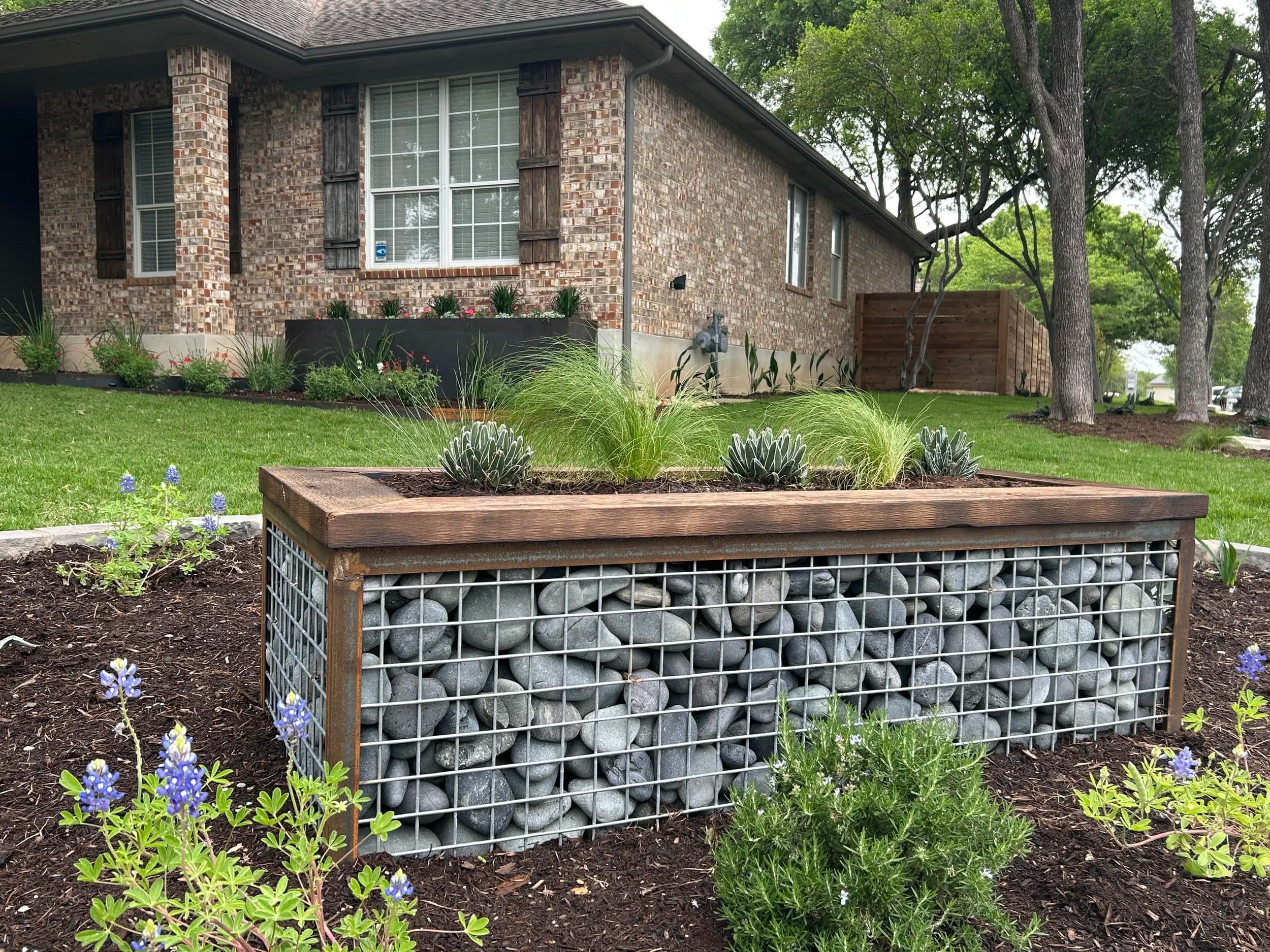

Living near the Hill Country means living with deer. White-tailed deer are beautiful wildlife, until they eat your entire landscape overnight. After 15+ years designing landscapes in deer-heavy areas from Westlake to Bee Cave to Cedar Park, I've learned which plants deer truly avoid and which marketing claims of "deer resistance" are wishful thinking at best.
This guide compiles real-world, field-tested deer-resistant plant recommendations from our completed projects atAustin Creative Landscaping. These aren't theoretical picks from nursery tags, these are plants that have survived years in deer-heavy areas without significant damage.
Understanding Deer Behavior in Austin
White-tailed deer are adaptable browsers that eat a wide variety of plants. Their food preferences shift seasonally based on availability, drought conditions, and population density. This creates a frustrating reality:no plant is 100% deer-proof under all conditions.
What we CAN do is choose plants deer consistently avoid when other food sources are available. In practice, this means selecting plants with characteristics deer dislike:
- Strong scent or flavor: Aromatic oils (sage, rosemary, lavender) or bitter compounds (lantana, salvia)
- Toxic or irritating compounds: Plants that cause digestive upset (daffodils) or mouth irritation (spiny leaves)
- Fuzzy or hairy foliage: Deer avoid plants with fuzzy textures (lamb's ear, artemisia)
- Spines or thorns: Physical barriers deer won't browse (agave, yucca, prickly pear)
During extreme drought or when deer populations are very high, deer will eat almost anything to survive. Even "deer-proof" plants show some browsing damage under these conditions. The goal isn't zero deer activity, it's creating landscapes that don't look like a deer buffet year-round.
Best Deer-Resistant Trees for Austin
Texas Live Oak (Quercus fusiformis)
Mature Size: 30–50 ft tall × 30–50 ft wide | Water: Very Low
Why deer avoid it: Tannins in leaves make them unpalatable. Thick, leathery leaves are tough to browse. One of the most reliable deer-resistant shade trees in Central Texas.
Ashe Juniper / Cedar (Juniperus ashei)
Mature Size: 15–30 ft tall | Water: None needed
Why deer avoid it: Aromatic oils in foliage are strongly deer-resistant. Yes, it produces cedar pollen (allergies) but if you already have mature cedars on your property, they provide excellent deer-proof screening.
Desert Willow (Chilopsis linearis)
Mature Size: 15–25 ft tall | Water: Very Low
Why deer avoid it: Bitter-tasting foliage. Stunning orchid-like blooms May–September. Deciduous but provides great summer shade and pollinator support.
Best Deer-Resistant Shrubs for Austin
Texas Sage / Cenizo (Leucophyllum frutescens)
Mature Size: 4–6 ft tall × 4–6 ft wide | Water: Very Low
Why deer avoid it: Intensely aromatic foliage deer find unpalatable. Silver-gray leaves and purple blooms after rain make it a Hill Country signature plant. Extremely drought-tolerant and zero-maintenance once established.
Rosemary (Rosmarinus officinalis)
Mature Size: 3–5 ft tall | Water: Low
Why deer avoid it: Strong aromatic oils deer dislike. Culinary herb that doubles as evergreen landscape plant. Blue flowers in winter. Thrives in Austin's alkaline soils.
Flame Acanthus (Anisacanthus quadrifidus var. wrightii)
Mature Size: 3–4 ft tall × 3–4 ft wide | Water: Low
Why deer avoid it: Bitter foliage. Tubular orange flowers April–November are hummingbird magnets. Native to Texas, drought-tolerant, and consistently ignored by deer.
Agarita (Mahonia trifoliolata)
Mature Size: 3–5 ft tall | Water: Very Low
Why deer avoid it: Spiny holly-like leaves are physically deterrent. Yellow flowers in spring, red berries in summer. Evergreen and virtually indestructible once established.
Texas Mountain Laurel (Sophora secundiflora)
Mature Size: 10–15 ft tall (can be kept smaller) | Water: Low
Why deer avoid it: All parts of plant are toxic. Fragrant purple flower clusters in spring smell like grape soda. Evergreen with glossy dark green foliage, one of the most beautiful native Texas shrubs.
Best Deer-Resistant Perennials for Austin
Salvia greggii (Autumn Sage)
Mature Size: 2–3 ft tall × 2–3 ft wide | Water: Low
Why deer avoid it: Aromatic foliage and bitter taste. Blooms nearly year-round in red, pink, coral, white, or purple. Hummingbird favorite. One of the most versatile deer-resistant perennials for Central Texas.
Texas Lantana (Lantana urticoides)
Mature Size: 3–6 ft tall | Water: Very Low
Why deer avoid it: Bitter, somewhat toxic foliage. Orange/yellow/red flowers attract butterflies and hummingbirds. Extremely heat and drought tolerant. Can be aggressive in ideal conditions.
Turk's Cap (Malvaviscus arboreus var. drummondii)
Mature Size: 3–5 ft tall | Water: Low to Moderate
Why deer avoid it: Fuzzy leaves deer dislike. Red tubular flowers summer through fall. Prefers part shade. Hummingbird and butterfly magnet.
Lavender (Lavandula)
Mature Size: 2–3 ft tall | Water: Low
Why deer avoid it: Intensely aromatic foliage. Purple flower spikes in spring. English lavender (L. angustifolia) and Spanish lavender (L. stoechas) both perform well in Austin. Requires excellent drainage.
Mexican Feathergrass (Nassella tenuissima)
Mature Size: 1–2 ft tall | Water: Very Low
Why deer avoid it: Wiry texture deer don't find palatable. Graceful movement in breeze. Blooms with feathery seed heads summer through fall. Self-seeds but not aggressively.
Gulf Muhly (Muhlenbergia capillaris)
Mature Size: 2–3 ft tall | Water: Low
Why deer avoid it: Coarse grass texture. Spectacular pink plumes September–November. Native to Texas and extremely drought-tolerant.
Additional Deer-Resistant Plants Worth Considering
- Yucca (Yucca spp.): Spiny leaves physically deter deer. Architectural form. White flower spikes.
- Agave (Agave spp.): Sharp terminal spines prevent browsing. Extremely drought-tolerant succulents.
- Prickly Pear (Opuntia spp.): Spines make browsing impossible. Yellow flowers, edible fruit.
- Blackfoot Daisy (Melampodium leucanthum): Deer tend to avoid. White daisies spring through fall.
- Gregg's Mistflower (Conoclinium greggii): Fuzzy leaves. Blue-purple fall blooms. Butterfly magnet.
- Zexmenia (Wedelia texana): Rarely browsed. Yellow daisy-like flowers. Aggressive spreader in ideal conditions.
Plants Deer WILL Eat (Avoid in Deer-Heavy Areas)
Some plants are deer candy no matter how "resistant" the nursery tag claims:
- Hostas (devoured overnight)
- Roses (deer favorite, thorns don't deter them)
- Azaleas and rhododendrons
- Impatiens and petunias (annual color deer love)
- English Ivy (deer browse heavily)
- Most fruit trees (especially new growth)
- Vegetable gardens (without protection)
If you want these plants in deer country, you'll need physical barriers (fencing, cages) or deer repellent applications (expensive and time-consuming).
Design Strategies for Deer-Heavy Areas
Beyond plant selection, landscape design strategies reduce deer damage:
1. Layer Deer-Resistant Plants as Barriers
Plant aromatic shrubs (rosemary, sage, lavender) as borders around less-resistant plants. Deer often avoid areas that smell strongly of plants they dislike.
2. Use Hardscape Features Strategically
Hardscape elements, flagstone patios, gravel paths, stone walls, create physical and visual barriers that discourage deer movement through your landscape.
3. Concentrate Vulnerable Plants Near the House
Deer are less likely to browse plants close to human activity zones. If you must have deer-favorite plants, place them within 10–15 feet of high-traffic areas.
4. Avoid Irrigation Near Property Edges
Deer are attracted to water. Placing irrigation (and lush plants) near your property perimeter invites deer deeper into your yard. Keep irrigated areas closer to your home.
5. Create Visual Disruption
Deer prefer open sightlines so they can spot predators. Planting dense, varied layers (trees, shrubs, grasses, groundcovers) creates visual "clutter" that makes deer uncomfortable.
When Deer Pressure Is Extreme: Additional Options
In areas with very high deer populations, even resistant plants show browsing damage. Additional strategies:
- Fencing: 8 ft tall is minimum to reliably exclude deer. Expensive but 100% effective.
- Motion-activated sprinklers: Startle deer with water bursts. Requires maintenance and water use.
- Repellent applications: Spray-on deer repellents (Liquid Fence, Deer Off, etc.) provide temporary protection. Must reapply every 2–4 weeks and after rain. Labor-intensive and ongoing cost.
- Dog presence: Dogs that patrol your property regularly deter deer. Not reliable if dog is only out occasionally.
The Austin Creative Landscaping Approach to Deer-Resistant Design
Every ACL landscape design in deer-heavy areas starts with a site assessment:
- Deer traffic patterns: Where do deer enter and move through your property?
- Existing deer damage: Which plants show heavy browsing?
- Neighboring properties: What are your neighbors planting? (Deer-favorite plants nearby increase pressure)
- Water sources: Ponds, creeks, or irrigation that attract deer
From there, we design layered landscapes using primarily deer-resistant plants, strategic hardscape placement, and visual/aromatic barriers that naturally discourage deer activity. The result: beautiful, functional landscapes that don't become deer feeding stations.
Ready to Create a Deer-Resistant Landscape?
Living with deer doesn't mean sacrificing a beautiful landscape. With the right plant selection and design strategies, you can create outdoor spaces that thrive despite deer presence.
Want expert guidance for your property? Schedule a free consultation and site assessment. We'll evaluate your deer pressure, discuss your style preferences, and design a landscape that works with (not against) Hill Country wildlife.
Frequently Asked Questions
Are there truly deer-proof plants?
Will deer eat native Texas plants?
How tall does deer fencing need to be?
Do deer repellents actually work?
Can I have a vegetable garden in deer country?
Will deer eat artificial turf?
Related Services
Design a Beautiful Deer-Resistant Landscape
Schedule a free consultation and site assessment. We'll evaluate your deer pressure and create a landscape design that thrives despite Hill Country wildlife.
Owner & Lead Designer, Austin Creative Landscaping