Native vs Non-Native Plants in Central Texas: What You Need to Know
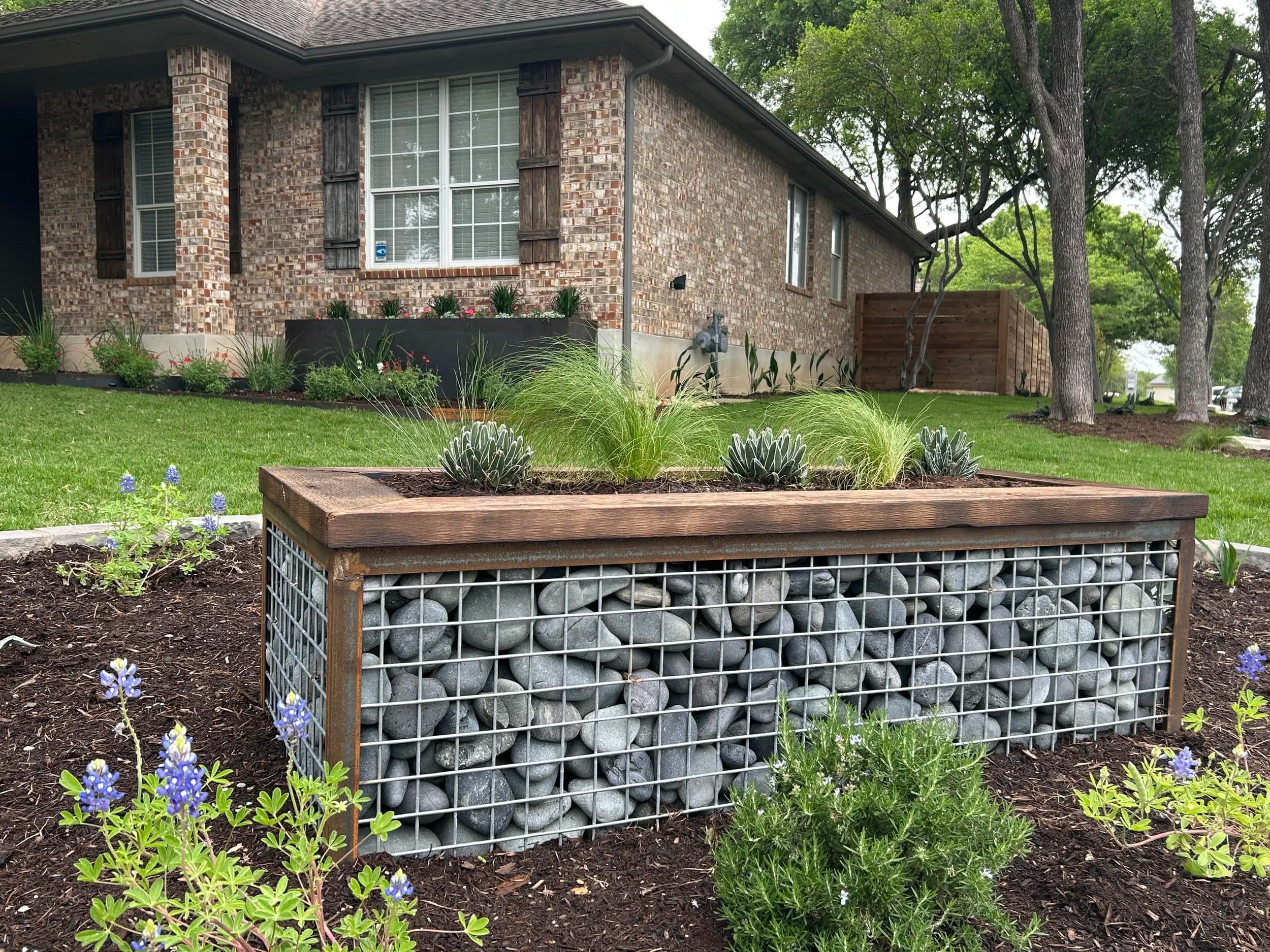
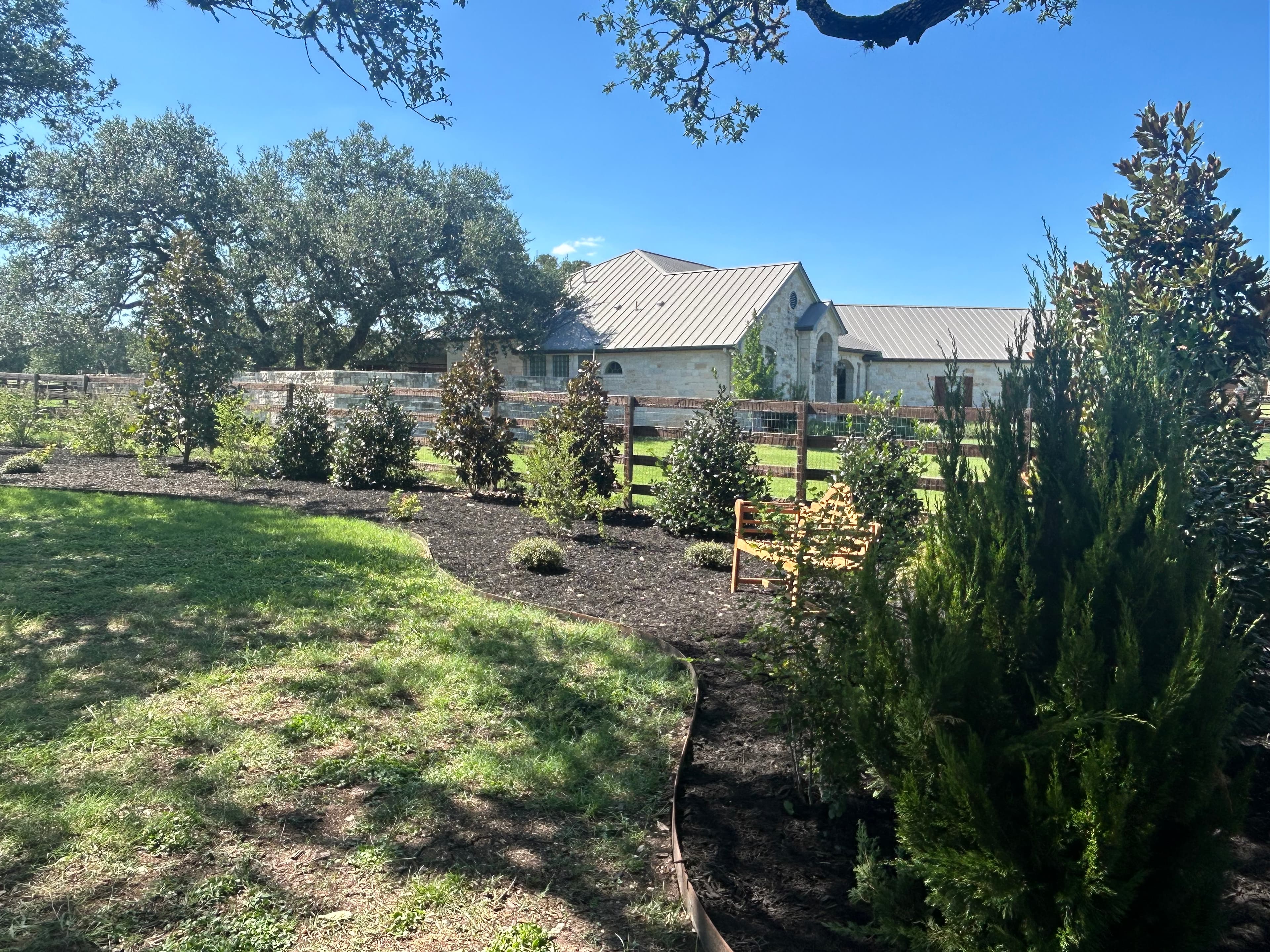
Walk through any Austin neighborhood and you'll see landscapes filled with plants from around the world: Italian cypress from Mediterranean coasts, Japanese maples from Asia, English ivy from Europe. Very few are actually native to Central Texas, and that distinction matters more than most homeowners realize.
After 15+ years designing and installing landscapes at Austin Creative Landscaping, I've seen firsthand which plants thrive with minimal intervention and which require constant life support. This guide breaks down the difference between native, adaptive, and exotic plants, and explains why choosing the right category for your property impacts water use, maintenance, cost, and long-term landscape performance.
Definitions: What Do We Actually Mean by "Native"?
Native Plants
Plants that evolved in Central Texas over thousands of years, perfectly adapted to our climate, soils, pests, and rainfall patterns. Examples: Texas Live Oak, Texas Sage, Flame Acanthus, Turk's Cap, Mexican Feathergrass, Gulf Muhly.
Adaptive (or Well-Adapted) Plants
Plants not native to Texas but from similar climates that perform well here with minimal intervention once established. Examples: Rosemary (Mediterranean), Lavender (Mediterranean), Pampas Grass (South America).
Exotic (or Non-Native) Plants
Plants from different climates that require significant ongoing intervention (irrigation, fertilizer, pest control) to survive in Central Texas. Examples: Azaleas (acid-soil plants in alkaline Texas), Hydrangeas (moisture-loving plants in drought-prone climate), English Ivy (aggressive invasive).
Why Native Plants Perform Better in Central Texas
Native plants didn't accidentally end up in Texas, they evolved here over millennia, developing traits perfectly suited to our challenging conditions:
1. Deep Root Systems
Native plants develop deep taproots (often 10–20 feet) that access groundwater reserves during drought. Exotic ornamentals typically have shallow fibrous roots (12–18 inches) that require constant irrigation.
Example: Texas Live Oak can survive months without rain once established. Bradford Pear (exotic) requires weekly watering even in mature age and still struggles in Austin heat.
2. Alkaline Soil Tolerance
Central Texas soils are limestone-based with pH 7.5–8.5. Native plants evolved mechanisms to extract nutrients despite this alkalinity. Acid-loving exotics (azaleas, camellias, blueberries) develop chlorosis (yellowing leaves) and nutrient deficiency even with fertilizer amendments.
3. Heat and Drought Tolerance
Native plants have adaptations for extreme heat: small waxy leaves that minimize water loss (Texas Sage), reflective silver foliage (Artemisia), dormancy mechanisms that shut down growth during stress (Prairie Grass).
Exotics from temperate climates lack these adaptations and suffer visible stress (wilting, leaf scorch, die-back) even with supplemental irrigation.
4. Natural Pest and Disease Resistance
Native plants co-evolved with local insects, developing natural defenses. Texas Sage rarely has pest issues. Roses (exotic) require regular spraying for blackspot, aphids, Japanese beetles, and spider mites.
5. Wildlife Support
Native plants provide food and habitat for native wildlife, pollinators, songbirds, beneficial insects. A Texas Live Oak supports 500+ species of caterpillars (bird food). An exotic Bradford Pear supports fewer than 10 species.
The Case for Adaptive (Non-Native) Plants
Not every non-native plant is problematic. Adaptive plants from similar climates often perform beautifully in Central Texas with minimal care:
Mediterranean Plants (Similar Climate)
Rosemary, Lavender, Santolina, Rock Rose, these evolved in Mediterranean climates with hot dry summers, alkaline soils, and winter rainfall. They're perfectly at home in Austin.
Desert Southwest Plants (Similar Conditions)
Agave, Yucca, Desert Marigold, from Chihuahuan and Sonoran deserts. Not native to Central Texas but extremely drought and heat tolerant with similar soil preferences.
South American Grassland Plants
Mexican Feathergrass (technically north Mexico, barely non-native), Pampas Grass (Argentina), evolved in similar grassland ecosystems with seasonal drought.
The key distinction: adaptive plants thrive without constant intervention. They may need establishment watering (year 1–2) but then perform on rainfall alone, just like natives.
The Problems with Exotic Plants in Central Texas
1. Constant Water Demand
Exotic plants from humid climates (azaleas, hydrangeas, hostas, ferns) evolved with abundant rainfall. In Austin, they require irrigation year-round, even in winter. This drives up water bills and makes landscapes unsustainable during drought restrictions.
2. Soil Amendment Requirements
Acid-loving exotics need sulfur amendments every year to lower pH, along with specialized fertilizers. Even with amendments, they struggle in our alkaline soils. This creates ongoing cost and maintenance.
3. Pest and Disease Pressure
Exotic plants lack natural defenses against local pests, requiring regular pesticide applications. Roses, for example, need fungicide sprays every 2–3 weeks during growing season to prevent blackspot and powdery mildew.
4. Poor Heat Tolerance
Temperate-climate exotics (Japanese maples, hostas, English ivy) evolved in cool summers. In Austin's 100°F+ heat, they suffer leaf scorch, stunted growth, and often die during extreme heat events despite irrigation.
5. Invasive Potential
Some exotic ornamentals escape cultivation and invade natural areas, outcompeting natives. Examples: Ligustrum (privet), Nandina, English Ivy, Bradford Pear. Once established in natural areas, they're nearly impossible to eradicate and damage ecosystem function.
The Austin Creative Landscaping Plant Selection Philosophy
Our approach to landscape design prioritizes plants in this order:
1. Central Texas Natives (70–80% of Plant Palette)
These form the foundation: Texas Live Oak, Cedar Elm, Desert Willow for shade; Texas Sage, Agarita, Texas Mountain Laurel for evergreen structure; Flame Acanthus, Salvia greggii, Turk's Cap for color; Mexican Feathergrass, Gulf Muhly for texture.
Why this high percentage? Natives require minimal maintenance once established, use little to no supplemental water, support local wildlife, and perform reliably year after year through drought, heat, and cold snaps.
2. Adaptive Plants from Similar Climates (15–25%)
Mediterranean herbs (Rosemary, Lavender, Santolina), desert accents (Agave, Yucca), adaptive grasses (Pampas Grass) that add diversity and visual interest while still performing well with minimal inputs.
3. High-Maintenance Exotics (0–5%, Only If Client Insists)
We rarely recommend exotics, but if a client has their heart set on roses or specific annual color, we design irrigation and maintenance systems to support them, and we're clear about the ongoing cost and effort required.
Native Plant Myths (Debunked by Field Experience)
Myth: "Native plants look wild and messy"
Reality: Design matters more than plant origin. We create formal, modern, cottage, and desert minimalist styles using primarily native plants. Texas Sage hedges are as formal as boxwood. Salvia greggii in mass plantings looks like a curated perennial border. Gulf Muhly provides the same ornamental grass texture as exotic Miscanthus but with zero maintenance.
Myth: "Native plants don't have enough color"
Reality: Native bloomers provide MORE color than most exotics, and for longer periods. Salvia greggii blooms nearly year-round. Flame Acanthus flowers April–November. Texas Lantana is covered in blooms spring through fall. These require no deadheading or fertilizer to keep blooming.
Myth: "Native plants are hard to find at nurseries"
Reality: 10 years ago this was true. Today, nearly every Austin area nursery carries extensive native plant selections. Specialty nurseries (Natural Gardener, Barton Springs Nursery, Native Backyards) focus exclusively on natives. Availability is no longer a barrier.
Myth: "Native landscapes attract snakes and pests"
Reality: Proper design minimizes unwanted wildlife. Clean edges, gravel borders, strategic plant spacing, and trimming shrubs up from the ground prevent habitat for snakes and rodents. Native landscapes DO attract butterflies, hummingbirds, and songbirds, which most homeowners consider an enhancement, not a problem.
How to Transition from Exotic to Native Landscaping
You don't need to rip out your entire landscape overnight. Gradual transition strategies:
Year 1: Replace Highest-Maintenance Plants
Identify plants requiring weekly watering, monthly spraying, or annual replacement. Replace these first with native or adaptive alternatives. This delivers immediate maintenance and cost savings.
Year 2: Convert Turf to Native Beds
Eliminate decorative lawn areas (not functional play spaces) and replace with native perennial beds, decomposed granite paths, or hardscape features. This cuts water use by 40–60%.
Year 3: Add Native Trees
Plant fast-growing native shade trees (Texas Live Oak, Cedar Elm) to eventually replace struggling exotic trees. As natives mature, remove failing exotics.
Ongoing: Replace on Failure
When exotic plants die or decline, replace with native alternatives instead of replanting the same struggling species. Over 5–10 years, this gradually shifts your landscape to a more sustainable, resilient plant palette.
Real-World Cost Comparison: Native vs Exotic Landscapes
Based on our completed projects, here's the 10-year cost comparison for a typical 2,000 sq ft landscape:
Native/Adaptive Landscape
- Year 1 installation: $8,000–12,000
- Annual water cost (years 1–2): $800–1,200
- Annual water cost (years 3+): $200–400
- Annual maintenance: $300–600 (4–6 hours @ $75/hr)
- 10-year total: $13,500–20,000
Exotic Ornamental Landscape
- Year 1 installation: $10,000–15,000
- Annual water cost: $2,000–3,000
- Annual maintenance: $2,400–3,600 (4–6 hours/month @ $75/hr)
- Plant replacement (every 3–5 years): $2,000–4,000
- 10-year total: $58,000–84,000
10-year savings with native landscape: $44,500–64,000. This doesn't even account for water savings during drought restrictions or avoided plant replacement after heat/drought events.
Resources for Learning More About Central Texas Natives
- Lady Bird Johnson Wildflower Center: Comprehensive native plant database and design resources
- Native Plant Society of Texas: Local chapter events, plant sales, educational programs
- Texas A&M AgriLife Extension: Research-based native plant recommendations
- Our Best Plants for Austin guide: Field-tested native plant recommendations
Ready to Design a Native-Forward Landscape?
Choosing plants suited to Central Texas isn't just environmentally responsible, it's the smartest way to create a landscape that thrives with minimal intervention while delivering beauty, function, and wildlife support.
Want expert guidance on plant selection for your property? Schedule a free consultation and site assessment. We'll evaluate your site conditions, discuss your aesthetic preferences, and create a design that works with Central Texas reality, not against it.
Frequently Asked Questions
Can I mix native and non-native plants in the same landscape?
Do native plants really need no water once established?
Will switching to natives hurt my property value?
How long does it take for native plants to look mature?
Are native plants more expensive to buy?
Can I have a native lawn alternative?
Related Services
Design a Native-Forward Landscape
Schedule a free consultation and site assessment. We'll create a landscape design using primarily native and adaptive plants that thrive in Central Texas conditions with minimal maintenance.
Owner & Lead Designer, Austin Creative Landscaping