Xeriscaping in Austin: Save Water Without Sacrificing Style
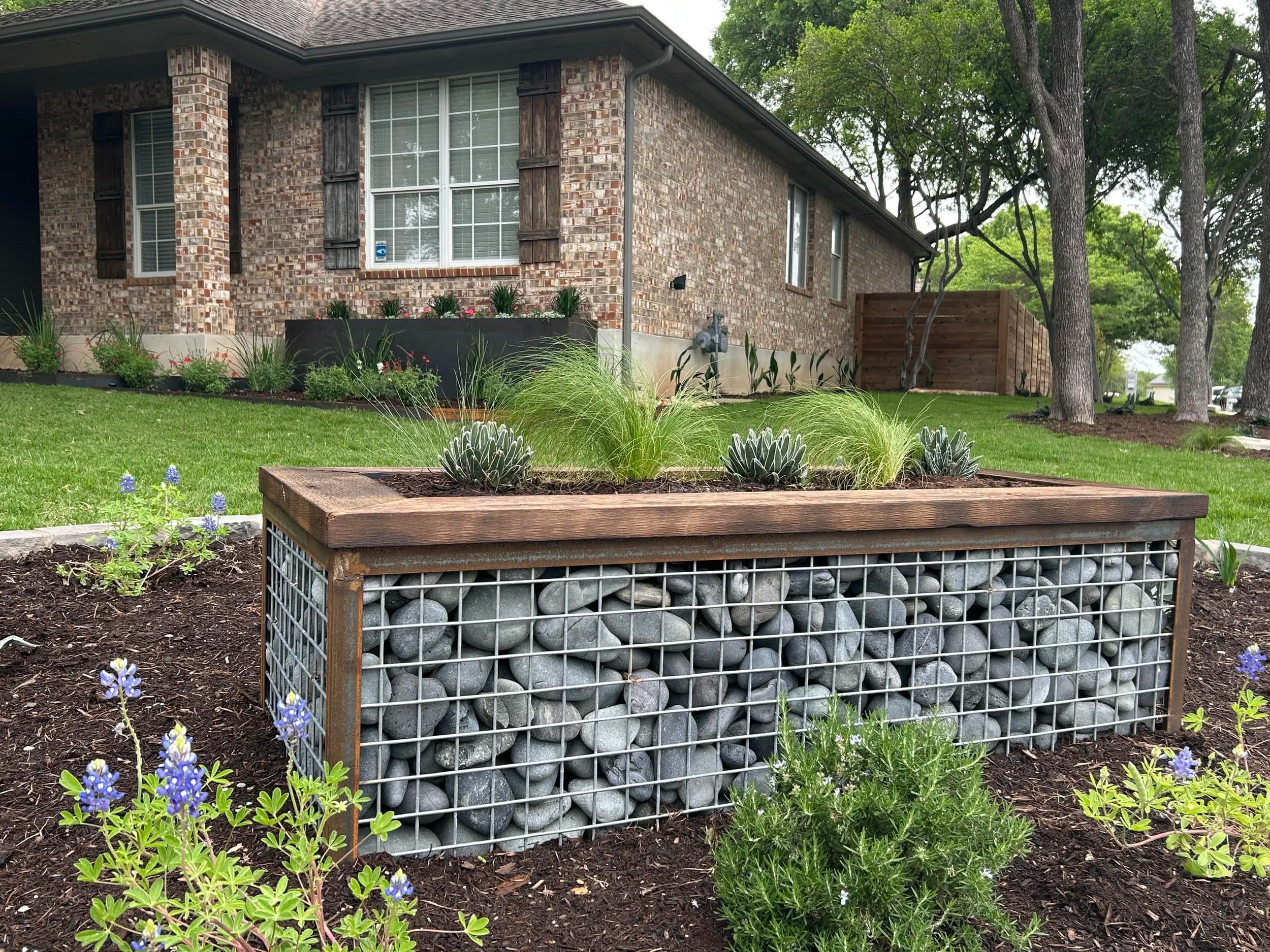
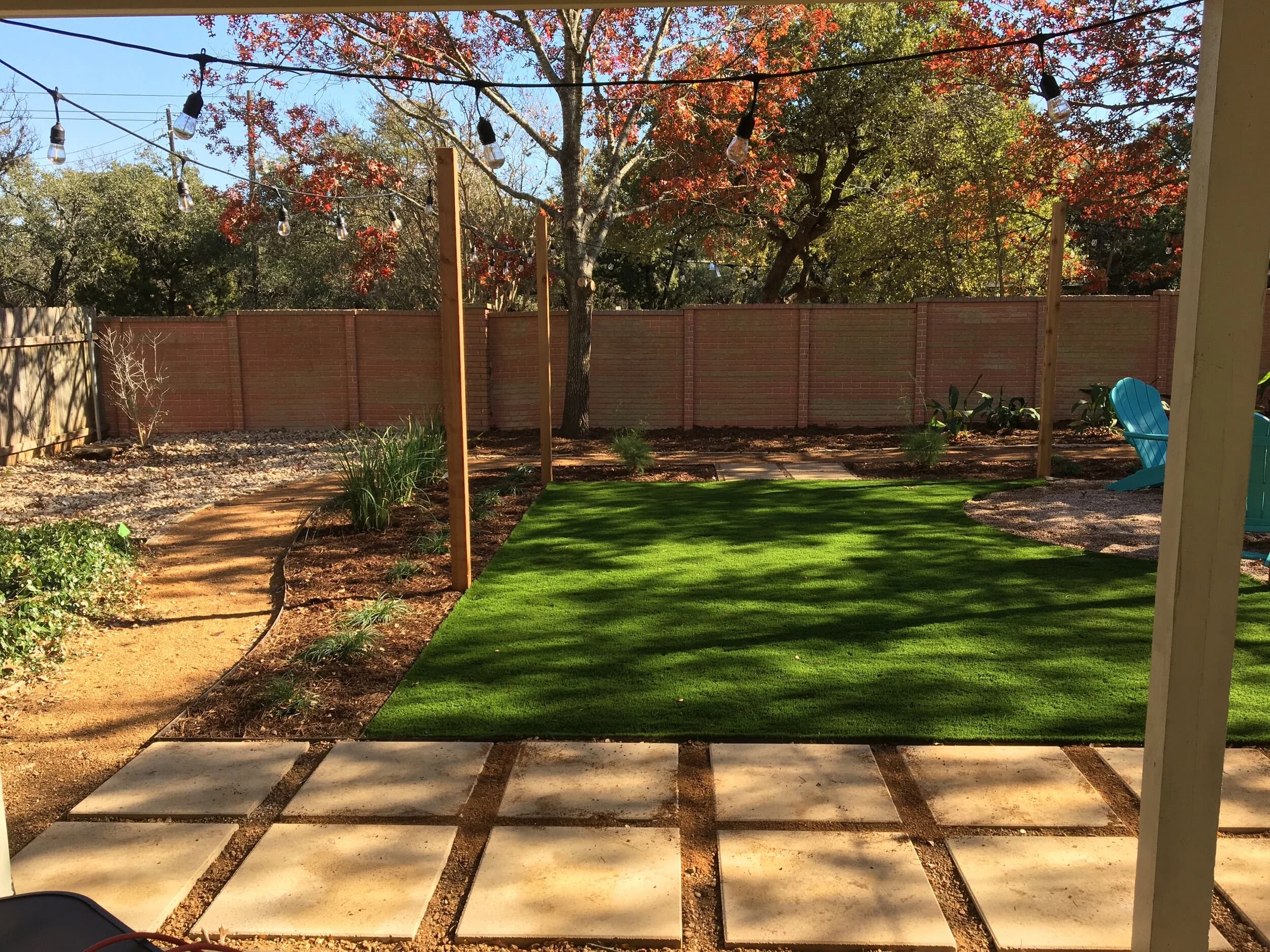
When most Austin homeowners hear "xeriscape," they picture barren yards filled with cactus and gravel. That couldn't be further from modern xeriscape reality. Today's water-wise landscapes are lush, colorful, wildlife-friendly spaces that happen to use 50–80% less water than conventional landscapes, and they look better doing it.
After designing and installing xeriscape projects across Austin for over 15 years, I've seen firsthand how proper plant selection, soil preparation, and design principles create landscapes that thrive with minimal irrigation while delivering maximum visual impact. This guide breaks down exactly how we approach xeriscape design at Austin Creative Landscaping, and how you can apply these principles to your own property.
What Is Xeriscaping? (The Modern Definition)
Xeriscaping is a landscape design philosophy that minimizes water use through seven core principles: thoughtful planning, soil improvement, appropriate plant selection, practical turf areas, efficient irrigation, mulching, and proper maintenance.
The term combines the Greek word xeros (dry) with "landscape", coined by Denver Water in 1981 as water scarcity became a Western U.S. infrastructure crisis. In the 40+ years since, xeriscaping has evolved from a water-conservation mandate into a sophisticated design approach that produces some of the most ecologically rich and visually striking landscapes you'll find.
In Austin's climate, hot, unpredictable, and increasingly drought-prone, xeriscaping isn't just environmentally responsible. It's the smartest way to create a landscape that performs beautifully year after year without constant intervention.
The 7 Principles of Xeriscape Design (Austin Edition)
1. Planning and Design
Every great xeriscape starts with a comprehensive landscape design that maps out "hydrozones", grouping plants by their water needs so irrigation is never wasted.
- High-water zones: Container gardens, annual color beds, vegetable gardens (near water source)
- Moderate-water zones: Established perennials, flowering shrubs (occasional deep watering)
- Low/no-water zones: Native trees, grasses, hardscape features (rainfall only after establishment)
This zoning approach is the single biggest driver of long-term water savings. We design irrigation systems around these zones so you're never overwatering natives while underwatering thirsty plants.
2. Soil Improvement
Austin's caliche-heavy, alkaline soils either drain too fast (sand) or hold water in anaerobic puddles (clay). Neither is ideal for plant health.
Amending planting beds with 3–4 inches of quality compost tilled into the top 12 inches dramatically improves water retention in sandy areas and drainage in clay areas. Better soil structure = deeper roots = plants that survive drought without intervention.
3. Appropriate Plant Selection
This is where xeriscaping truly shines. Choosing native and adaptive plants perfectly suited to Austin's climate means plants that:
- Tolerate 100°F+ heat without wilting
- Thrive in alkaline soils (pH 7.5–8.5)
- Survive weeks without rain once established
- Resist common Central Texas pests and diseases
- Provide year-round visual interest
Our go-to xeriscape plants include Texas Sage, Flame Acanthus, Turk's Cap, Mexican Feathergrass, Gulf Muhly, Texas Live Oak, and Desert Willow. See our complete native plant guide for detailed recommendations.
4. Practical Turf Areas
Traditional turfgrass is the single largest water consumer in most residential landscapes, accounting for 50–70% of total outdoor water use. St. Augustine and Bermuda lawns demand constant irrigation and still turn brown in Austin summers.
Modern xeriscape design right-sizes turf to functional areas: play spaces for kids, pet runs, gathering areas. Replace decorative lawn areas with native groundcovers, decomposed granite pathways, flagstone patios, or artificial turf that stays green year-round with zero water.
5. Efficient Irrigation
When supplemental irrigation IS needed, especially during plant establishment, delivery efficiency matters enormously.
- Spray irrigation: 50–70% efficiency (evaporation and wind drift losses)
- Drip irrigation: 90–95% efficiency (water delivered directly to root zones)
We design drip systems with smart controllers that monitor weather data and soil moisture, so you never irrigate when it's not needed. Combined with native plant selections, drip irrigation can reduce outdoor water use by 60–80% compared to conventional spray systems.
6. Mulching
A 3–4 inch layer of shredded hardwood mulch or decomposed granite is the single cheapest, highest-impact investment in water conservation you can make.
Mulch reduces soil moisture evaporation by up to 70%, suppresses weeds that compete for water, moderates soil temperature (keeping roots 20–30°F cooler in summer), and adds organic matter as it breaks down.
7. Appropriate Maintenance
Xeriscape maintenance is different, not absent. The first year requires regular watering to establish deep root systems. After that, maintenance shifts to:
- Seasonal pruning (spring and late summer)
- Annual mulch refreshing (2–3 inches)
- Occasional deep watering during extended drought
- Irrigation system checks (spring)
Compare that to conventional landscapes: weekly mowing, monthly fertilizing, constant irrigation troubleshooting, seasonal replanting. Most established xeriscape landscapes require 4–6 hours of annual maintenance vs. 4–6 hours per month for traditional lawns.
Real-World Xeriscape Results: What to Expect
Based on our completed projects and Austin Water's rebate program data, here's what properly designed xeriscape delivers:
- 50–80% reduction in outdoor water use compared to conventional landscapes
- $400–1,200 annual water bill savings (depending on property size and previous usage)
- 75% reduction in maintenance time after year 2
- 3–5 year payback period on installation costs through water savings and reduced maintenance
- 20–30% increase in property value (per Austin Board of Realtors data on drought-tolerant landscapes)
Common Xeriscape Myths (Debunked by 15 Years of Experience)
Myth: "Xeriscaping means no lawn and only cactus"
Reality: Xeriscape incorporates lawn where it's functionally needed, just right-sized to actual use. And while cactus is drought-tolerant, we rarely use it as a primary element. Our xeriscape designs feature lush layers of native grasses, flowering perennials, evergreen shrubs, and shade trees that look nothing like desert landscapes.
Myth: "Xeriscape looks brown and boring"
Reality: Our xeriscape projects are consistently the most colorful landscapes we install. Native plants like Salvia greggii (year-round blooms), Flame Acanthus (orange flowers April–November), Gulf Muhly (pink plumes in fall), and Texas Lantana (constant pollinator magnets) deliver more color than traditional landscapes, without deadheading or fertilizer.
Myth: "Xeriscaping is expensive upfront"
Reality: Material costs are actually lower, native plants cost less than exotics, hardscape features replace expensive sod, and drip irrigation costs less to install than spray systems. The perceived higher cost comes from comprehensive design and proper soil prep, investments that pay dividends for decades.
Austin Water Rebates: Get Paid to Xeriscape
Austin Water offers rebates for turf removal and xeriscape installation as part of their WaterWise Landscape Rebate Program:
- $1 per square foot for converting turfgrass to xeriscape (up to 5,000 sq ft)
- $500–2,000 total rebates available for qualifying projects
- Pre-approval required (submit design plans before starting work)
We help clients navigate the rebate process on every qualifying project, design submission, documentation, post-installation verification. Our project managers handle the paperwork so you get the maximum rebate with minimal hassle.
How We Design Xeriscape Projects at ACL
Every Austin Creative Landscaping design starts with a site assessment:
- Sun exposure mapping: Identify full sun, part shade, and deep shade zones
- Soil testing: pH, drainage, texture analysis
- Existing conditions: Mature trees, slopes, drainage issues, existing irrigation
- Functional needs: Play areas, entertaining spaces, privacy screening, curb appeal
- Style preferences: Modern, Hill Country, cottage garden, desert minimalist
From there, we create a comprehensive design that layers native trees for shade and structure, native shrubs for year-round interest, native perennials for color and pollinator support, ornamental grasses for texture and movement, and hardscape features (flagstone patios, decomposed granite paths, natural stone borders) that add functionality and beauty without water demand.
Ready to Save Water (and Maintenance Time) with Xeriscape?
Xeriscaping isn't a compromise between beauty and water conservation, it's how you achieve both simultaneously. Our xeriscape projects consistently become the best-performing landscapes in their neighborhoods: thriving through drought, looking incredible year-round, and requiring minimal maintenance.
Want to see what's possible for your property? Schedule a free consultation and site assessment. We'll walk your property, discuss your goals, and create a xeriscape design that fits your style and budget, and we'll help you maximize Austin Water rebates in the process.
Frequently Asked Questions
How much does xeriscape cost compared to traditional landscaping?
How long does it take for xeriscape plants to look mature?
Can I have color with xeriscape?
Do I need to remove my existing lawn completely?
Will xeriscape attract more wildlife?
Can I convert to xeriscape myself or do I need a professional?
Related Services
Ready to Design Your Water-Wise Landscape?
Schedule a free consultation and site assessment. We'll create a xeriscape design that fits your style, budget, and Austin Water rebate requirements.
Owner & Lead Designer, Austin Creative Landscaping